Egypt is an Arab country situated mainly within
North Africa, with its Sinai desert forming a connection to Southwest Asia
covering an area of about 1,010,000 square kilometers, according to the 2006
census [4]. Egypt is bordered by the Mediterranean Sea to the north, the Red
Sea to the east, Sudan to the south, Libya to the west, Palestine and Israel to
the northeast. Egypt is one of the most
populous countries in Arab world, Africa and the Middle East, and the 15th most
populated in the world with over 82million people [1]. The majority of its
people live near the Nile River that provides the primary water resource and
the life artery for Egyptian. Egypt is the cultural leader of the Arab world
and major African economic power [4]. Its
Al-Azhar Mosque, founded in 970 CE, is one of the highest authorities in Sunni
Islam.
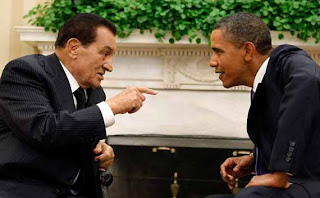 Egypt became a republic on 18 June 1953 for the
first time on its history after the wake of the Egyptian Revolution of 1952 [5].
The first President took office was President Mohamed Naguib. Mohamed Hosni Mubarak
was the fourth president, since 1981, following the assassination of former president
Mohammed Anwar El-Sadat [5]. Following the Tunisian Revolution, Hosni Mubarak
was forced to resign on 11 February 2011, ending his fifth term in office [6].
There are two legislative branches, the people’s
assembly with 454 deputies and the consultative council with 264 members. Political
parties are allowed to exist according to the Egyptian Constitution. As of
2012, more than 30 registered political parties in Egypt. The largest are
Freedom and Justice Party, al-Nour Party, New Wafd Party, Free Egyptians Party,
Justice Party, Wasat Party, Egyptian Social Democratic Party, and Coalition of
the Youth of the Revolution [7].
2012 Egyptian Elections
Since the creation of the ICT ministry in 1999, Egypt
seeks to develop partnerships with international investors to develop its ICT
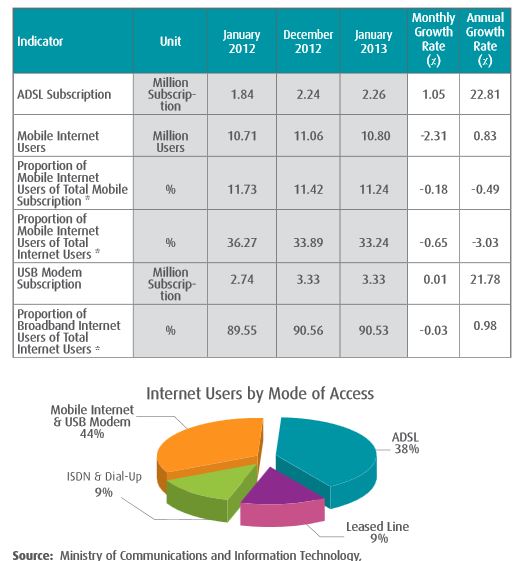
landscape. Egypt increased the number of fixed phone lines to 8 million with an
annual growth rate of 1.06%; mobile subscribers surpass 90 million; total
internet subscriptions including mobile internet users, ADSL users, and USB
Modem users exceeds 15 million users. The number of companies working in the
ICT field reached 5129, employing 217.19 thousand professionals [9]. Although
Egypt e-Government program was launched in 2001, ICT has not been implemented
heavily in all government branches and citizens do not have access to all
information regarding the process on which the government functions.

 Over the past two decades and during Mubark’s
regime, infant mortality and malnutrition among children under five was
improved, also, life expectancy rose from 64 to 71 years [2]. The living
standards for the population improved as well, however, in an uneven
manner. The poverty rate increased from 21.6% in 2008/09 to 25.2% in
2010/11 [2].
Mortality Rate
BEFORE

During the global recession in 2008-2009, Egyptian’s
economy took a backseat. The economy remains relatively dominant by the
military and by cronies of the former government, with all the corruption and
dishonesty that go with that, consequently, less opportunity for a growing
population, mainly young and often well-educated Egyptians [3].
AFTER
The Egyptian economy has been in decline since Hosni
Mubarak stepped down. The effects of the current slowdown are most visible in
terms of domestic consumption, direct private investment, and tourism [3]. Without
growth, there are no new jobs. Unemployment rate in 2012 was almost 13%, representing
3.6 million people out of work, rising to about 25% for the age group 15-29 [2].
For more statistical facts about current economic state: Egypt Struggles to Emerge from Economic Downturn
Source:
tradingeconomics.com


 Egypt became a republic on 18 June 1953 for the
first time on its history after the wake of the Egyptian Revolution of 1952 [5].
The first President took office was President Mohamed Naguib. Mohamed Hosni Mubarak
was the fourth president, since 1981, following the assassination of former president
Mohammed Anwar El-Sadat [5]. Following the Tunisian Revolution, Hosni Mubarak
was forced to resign on 11 February 2011, ending his fifth term in office [6].